The Pre-Wedding Stem Audit: A Trial Bunch Protocol for Event Buyers
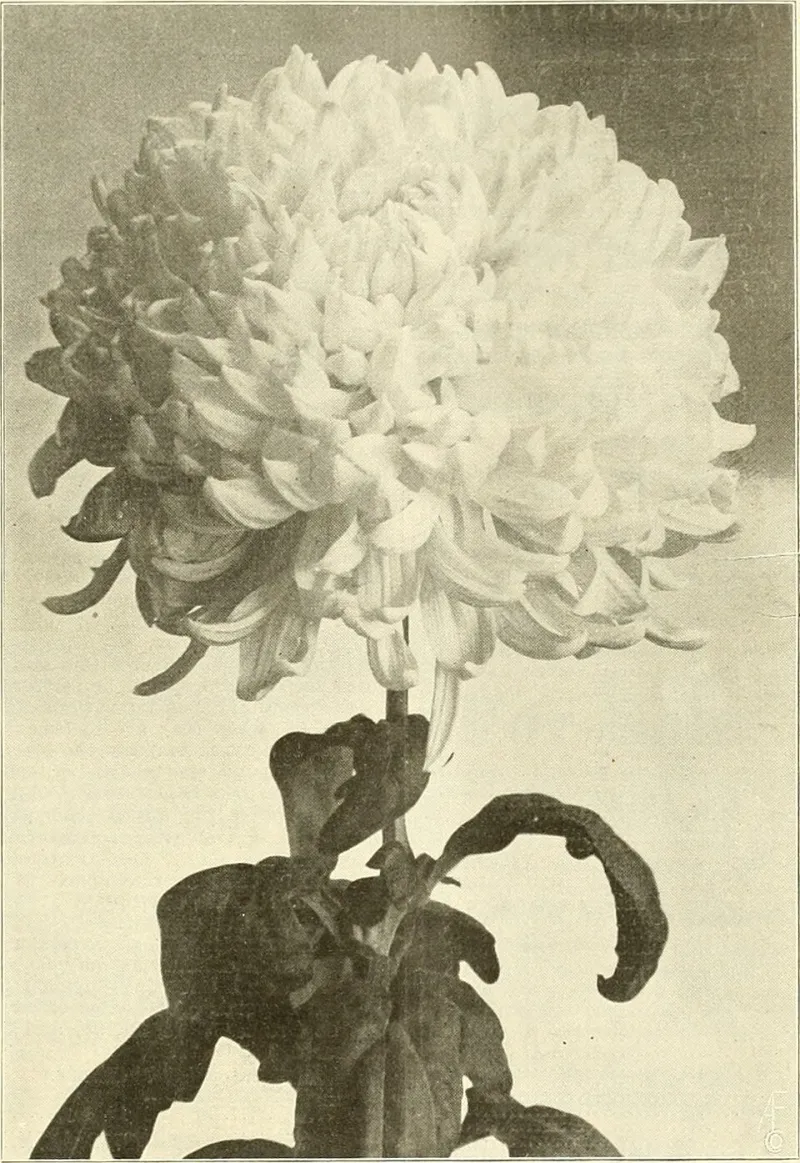
Photo: Internet Archive Book Images, No restrictions, via Wikimedia Commons
The big wedding order is where good buying habits go to die. A florist who would never buy a bucket of roses without checking the stems will happily commit to 400 stems because the colour looked right in a photo in August. That is not a criticism; it is how the trade works when the clock is running and the couple has already chosen the palette. But a small trial bunch, bought weeks before the event, is the cheapest insurance in the business.
A trial is not about being precious. It is about collecting evidence. You want to know how the variety opens, how long it holds, whether the colour is consistent across the bunch, and how much handling it tolerates before it looks tired. You cannot learn that from a catalogue photo. You can learn it from 10 or 20 stems on your own bench.
Why a Trial Bunch Beats a Last-Minute Panic
Event flowers are a different job from everyday stock. A market bucket needs to look good on a Friday morning. A wedding flower needs to look good after conditioning, transport, arranging, and a long day in a venue that may be hot, cold, or both. The same variety can behave differently depending on the grower, the grade, the time of year, and the cold chain.
A trial bunch gives you a preview of that behaviour. It will not guarantee the big order, because no two lots are identical. But it will tell you whether the grower's grade is consistent, whether the stems are long enough for your designs, and whether the colour is close enough to the brief. That is useful information before you commit.
What to Buy
Buy the closest thing you can to the flowers you plan to order. Same variety, same grade, ideally the same grower. If the auction lets you buy from a specific lot, do that. If not, buy from the same section and record the lot number so you can compare notes later.
Ten to twenty stems is usually enough for a meaningful trial. One stem tells you nothing. A whole box is a bigger commitment than you need at this stage. Include a few extra stems for handling tests, and keep a control bunch from your current supplier if you have one. That gives you a benchmark.
Buy at the same time of year and, if possible, in a similar week to the wedding. A tulip trial in April tells you very little about a tulip order in December. A rose trial in a cold snap is not the same as a rose trial in a heatwave. The closer you can get to the real conditions, the more useful the result.
The Conditioning Routine
Treat the trial stems exactly as you would treat the wedding order. Strip the lower foliage, cut the stems at an angle, and put them in clean buckets with fresh water and flower food. Keep them in a cool, well-ventilated room away from direct sun, draughts, and ripening fruit. Let them hydrate for at least four to six hours before you judge them.
Do not over-process the trial. You are not trying to make a showpiece; you are trying to see how the stems perform. Handle a few of them roughly, as they will be handled on the day. Move buckets, carry them up and down stairs, and see how the heads and necks cope. If a stem bruises at the touch, you want to know now.
Record the conditioning date and time. A flower that looks great on day one but collapses on day three is not a wedding flower, no matter how good it looked at the auction.
What to Record
Keep a simple trial sheet. A notebook is fine; a spreadsheet is better if you buy regularly. Record the variety, grower, lot number, grade, stem length, bunch count, and condition on arrival. Then check the stems on day one, day three, day five, and day seven. Note when the first sign of trouble appears: a limp neck, a browned petal edge, a dropped head, a colour that fades or shifts.
Colour consistency matters as much as vase life. If the bunch is meant to be one shade and it arrives as three, you will spend time sorting and may need extra stems. Stem count matters too. If the bunch is light, your cost per stem goes up and your designs may need more flowers. Handling tolerance is the third measure. Count how many stems are damaged after conditioning and transport, and add a buffer to the big order if the number is high.
The 72-Hour Stress Test
Before the wedding, put a few trial stems through a rough approximation of the day. Move them in and out of the cool room. Leave them in a warm room for a few hours. Wrap them, box them, and unwrap them again. If you plan to use floral foam, test a stem in foam. If the venue is a marquee, test the stems in a warm, still room. If it is a church, test them in a cool, draughty one.
You are not trying to recreate the wedding exactly. You are trying to find the point where the flower stops looking fresh. That point is your margin for error.
Reading the Results
Set your pass mark before the trial starts. For a two-day wedding, you might want 80 per cent of stems still presentable on day five. For a delicate variety, you might accept a shorter window but order more backup. The numbers are yours; the important thing is to decide before you are emotionally attached to the flowers.
If the trial fails, do not double down. Change the grower, change the variety, or change the order size. A failed trial is not a wasted purchase; it is a warning you paid for early. If it passes, you can place the big order with a clearer idea of what you are getting and how much buffer to build in.
A Small Cost, a Big Saving
A trial bunch costs a fraction of a wedding order. It takes an hour to condition and a few minutes a day to check. In return, you get real information about vase life, colour, stem count, and handling. That is better than a hunch, and it is far cheaper than discovering a problem on the morning of the wedding.
The best event buyers are not the ones who never make mistakes. They are the ones who make their mistakes on a small bunch, weeks early, when there is still time to change the order.