The November Bid List: Seven Homegrown Stems Worth Chasing
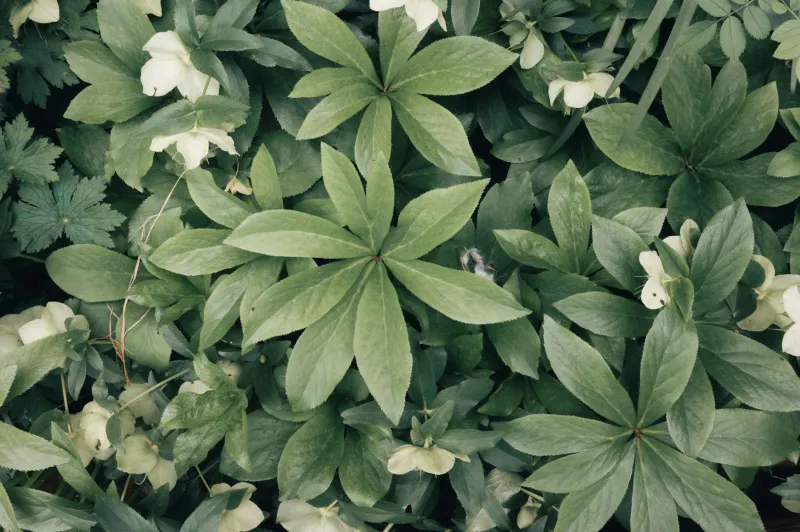
Late-autumn auctions have a different rhythm. On 7 November 2026, the halls are carrying a mix of British-grown stock and the first serious wave of Christmas imports, and UK florists are already shopping for two calendars at once: winter weddings and the festive run-in. The temptation is to chase whatever looks photogenic. The better move is to bid with a menu in mind. Here are seven UK-grown stems worth watching at November auctions — and how we would play them from the floor.
1. Hellebores: the early riser with a premium
UK-grown hellebores are starting to appear in meaningful numbers, but named varieties remain tight. Availability is moderate; quality is variable, especially where growers have pushed early cuts. Prices are firm rather than frantic — early November usually offers better value than the first week of December, when event buyers and Christmas installers collide.
Bid tactic: buy graded lots where you can inspect stem length and flower stage. Avoid lots with fully open blooms if the flowers need to travel to a wedding or sit in a cool room for a week. Hellebores are not a commodity; treat them as a premium line and price them accordingly in bridal work and table arrangements. If you need them for late November, buy now rather than hoping for a softer market later.
2. Amaryllis: forced UK-grown stock, but know the source
Amaryllis bulbs are usually imported, then grown on and forced by UK growers. That distinction matters at auction. Availability is rising through November as forced stock comes forward, and prices tend to soften as volumes build. Do not chase the first colourful lots simply because they photograph well.
Bid tactic: buy in bud, check for uniform height, and confirm whether the lot is UK-grown or forced on from imported bulbs. For festive installations and statement arrangements, amaryllis can carry a strong price — but only if the stems are clean and the buds are at the right stage. Wait for peak volume in mid-to-late November unless you have a specific early event.
3. Winter jasmine: the architectural filler
Jasminum nudiflorum is one of those lines that quietly earns its keep. Availability is limited and it often turns up in grower lots rather than neat uniform bunches. That can work in your favour: it is not a mainstream auction line, so competition is thinner than for red roses or tulips.
Bid tactic: check the bud stage and avoid lots where yellow flowers are already bruised or dropping. Winter jasmine is excellent for installations, wedding arches and anything that needs movement without bulk. Buy now if you have late-November or December event work; it is far easier to hold a small quantity of jasmine than to source it at the last minute.
4. Skimmia: the festive workhorse
UK-grown skimmia with buds and berries is a proper November-to-December line. Availability is good, but demand climbs sharply as wreath and table-runner production begins. Prices are likely to rise into December, so the auction logic is simple: buy a proportion now and top up later only if the market stays sensible.
Bid tactic: avoid lots with yellowing foliage or loose berries. Mixed lots can offer good value if you have the labour to grade them. Skimmia is a margin-maker in festive work because it pairs well with cheaper foliage and needs relatively little volume to look generous. Do not overbuy, though — it is perishable and unforgiving in a warm shop.
5. Sarcococca: scent-led premium
Christmas box is a niche UK-grown line with small volumes and a loyal buyers' list. Availability is limited, and prices are premium but fairly stable. This is not a stem to build a whole installation around; it is the scented detail that makes a wedding buttonhole, a table posy or a gift wrap feel more expensive than it is.
Bid tactic: buy small and use it as an add-on. Check that the buds are fresh and the foliage is clean. Sarcococca rewards buyers who can describe the scent to clients — it is an easy upsell in winter weddings and corporate gift work. Hold back from large speculative buys; the market is too thin to absorb mistakes.
6. Ivy berries and foliage: the value hedge
UK-grown ivy with berries is plentiful in November, and quality varies enormously. Prices are low, which makes it tempting to fill the van — but cheap stock with mildew or weak stems is not cheap once you have paid staff to strip it out.
Bid tactic: buy clean, firm lots and plan to use them close to the event date. Ivy is a brilliant value hedge for garlands, hanging installations and festive table work, especially when imported foliage prices are creeping up. Buy in controlled quantities and avoid holding it for more than a few days. The margin is in freshness, not in volume.
7. Forced narcissus and paperwhites: the quick win
Forced UK narcissus and paperwhites come forward through November and into December. Availability increases as the festive season approaches, and prices are competitive against imports. The risk is quality drift: yellowing leaves, uneven forcing and lots that have been held too long.
Bid tactic: buy in tight bud and stagger your purchases in waves rather than one big hit. Forced narcissus are ideal for table work, gift arrangements and scent-led installations. They are not a long-hold line, so match the buy to your delivery week. If you are building a festive menu, use them as the affordable scented option alongside a premium UK-grown line such as hellebores or skimmia.
What to hold back on
November auctions can tempt you into early Christmas buying, but not every line deserves a bid. Be cautious with large speculative buys of perishable UK-grown foliage, and do not assume early amaryllis will look better than later stock. Imported red roses and other Christmas volume lines will ramp up hard; if you need them, buy against confirmed orders rather than hope.
Building a profitable winter menu
The practical play is to use UK-grown stems as the story and the margin, then use imports for volume where the price is right. A winter wedding menu might pair hellebores and winter jasmine with a small amount of imported garden rose; a festive installation menu might lean on skimmia, ivy and forced narcissus, with amaryllis as the statement upgrade. Price the UK-grown lines for their seasonality and scent, not as a cheap substitute.
At Auction Direct Flowers, the buyers who do best in November are the ones who set a maximum before the lot opens, check the grade rather than the photograph, and buy for a specific week of work. The winter basket is not about filling space. It is about buying the stems that will still look good when the Christmas lights go on.